
Travel Content Optimisation for Hotel Websites
Travel content optimisation is about making hotel and destination content more useful, findable and persuasive.
For hotels, lodges and guest houses, strong content does more than fill a page. It helps guests understand the property, imagine the destination and feel confident about taking the next step.
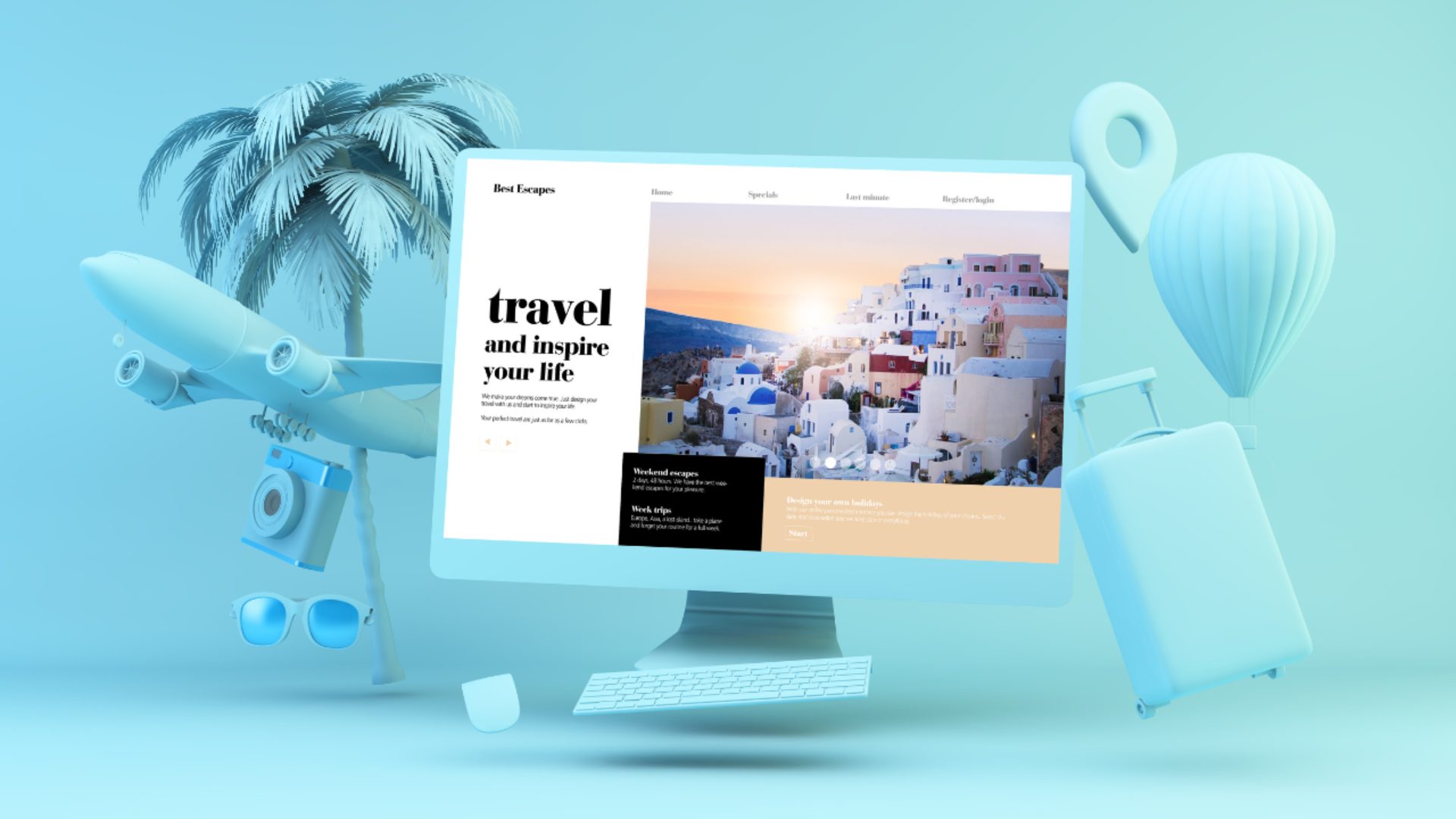
Good travel content should support search visibility, but it should also support real guest decision-making. The best content answers questions, gives context and guides visitors toward relevant rooms, offers or enquiries.
Key Takeaways
- Travel content should help guests understand the property, destination and booking decision.
- Search intent should guide whether a page inspires, explains, compares or converts.
- Headings, metadata, image alt text and internal links should support the same page topic.
- Destination content should connect local context back to the hotel experience.
- Travel content optimisation should be reviewed regularly as offers, events and guest needs change.
What This Article Covers
- Why travel content matters
- Guest intent and search purpose
- Headings and search language
- Planning content before writing
- Optimising key page elements
- Destination context
- Image optimisation
- Keeping content fresh
Why Travel Content Matters for Hospitality Websites
Guests rarely book accommodation based on a room description alone.
They want to understand the destination, nearby attractions, travel reasons, seasonal experiences, dining options, room suitability and what makes the stay feel worthwhile.
Travel content gives hotels a way to answer those questions before the guest reaches out or books.
When content is planned properly, it can support both SEO and conversion because it gives search engines clearer topical context and gives guests more useful information.
Start With What Guests Are Trying to Find
Before writing or updating travel content, consider the search intent behind the page.
A guest searching for a destination guide may still be early in the planning process. A guest comparing accommodation near a landmark may be closer to booking. A guest looking at an offer page may need practical reassurance before acting.
The content should match that intent. Early-stage content can educate and inspire. Decision-stage content should be clearer, more specific and easier to act on.
This helps avoid generic travel writing and keeps each page focused on the role it should play.
Intent check
Before optimising a travel page, decide whether the visitor is looking for inspiration, comparison, reassurance or a next step. That intent should shape the page.
Balance Useful Headings With Search Language
Headings should be clear enough for guests and descriptive enough for search engines.
A catchy campaign phrase may work in an advert, but it may not explain the page clearly. For example, a seasonal offer can still have personality, but the page should also make the destination, accommodation type or travel reason obvious.
Instead of relying only on vague headings, use headings that help guests understand what the section covers. This can include location, room type, experience, offer, season or travel need.
Clear headings make the content easier to scan and help the page stay aligned with search intent.
Plan Content Before Writing the Page
A simple content planning process can improve both quality and SEO.
Before writing, identify the primary topic, the guest questions the page must answer, the supporting keywords, the internal pages it should link to and the action the visitor should take next.
For hotel content, this planning step helps prevent thin pages, duplicated topics and articles that rank for the wrong intent.
It also makes it easier for writers, marketers and website teams to keep the page focused.

Optimise the Key Page Elements
Travel content optimisation includes the visible copy and the supporting SEO elements around it.
The page title, meta description, URL, H1, section headings, image alt text and internal links should all support the same topic.
These elements should be specific, natural and useful. Avoid forcing keywords into every line. A page should still read like it was written for people, not only for search engines.
When the main elements work together, the page feels clearer and more trustworthy.
Use Destination Context to Make Content More Useful
Hospitality content becomes stronger when it reflects the destination around the property.
Guests often want to know what they can do nearby, how far attractions are, what kind of trip the area suits and why the property is a good base.
Destination content can include local guides, seasonal travel ideas, nearby attractions, event information, itinerary suggestions and practical travel tips.
This content should still connect back to the hotel experience. It should help guests picture the stay, not only describe the destination in general terms.
Destination content note
Local content works best when it gives guests a reason to choose the property as their base, not when it reads like a generic area guide.
Optimise Images Without Losing the Guest Experience
Images are central to hotel and travel content, but they also need to support performance and clarity.
Use high-quality visuals that show rooms, experiences, food, facilities and destination context clearly. Compress images properly so they do not slow the page down.
Image filenames and alt text should be descriptive where appropriate. Alt text should explain the image in a useful way rather than stuffing in keywords.
Strong images help guests imagine the stay. Optimised images help the page remain fast and understandable.
Keep Travel Content Fresh and Accurate
Travel content can become outdated quickly.
Seasonal offers, local events, prices, opening hours, amenities and travel information should be reviewed regularly so the website does not create confusion.
Refreshing content also gives hotels a chance to improve weak pages, add missing guest questions and strengthen internal links.
Content optimisation should be ongoing, not only something done when a page is first published.
Refresh reminder
Review travel content when seasons change, offers expire, local attractions update information or guest questions shift.
Need Stronger Hospitality Content?
If your hotel, lodge or guest house needs clearer travel content, Quivertree’s content creation for hotels helps shape website copy, destination content and campaign messaging around the way guests search, compare and book.
FAQs
What is travel content optimisation for hotels?
Travel content optimisation is the process of improving hotel and destination content so it answers guest questions, supports search visibility and guides visitors toward useful booking actions.
What kind of travel content should hotels create?
Hotels can create destination guides, local attraction pages, seasonal travel content, itinerary ideas, room-related content, offer pages and practical guest FAQs.
How often should hotel travel content be updated?
Travel content should be reviewed regularly, especially when offers, amenities, seasonal information, local events, prices or opening hours change.
Bringing Travel Content Optimisation Into Focus
Travel content optimisation works best when it serves guests first.
Clear headings, useful destination context, well-structured copy, optimised images and accurate page details all help visitors understand the property and the trip they are considering.
When content is planned around real guest questions, it can support stronger search visibility and a smoother path toward enquiries or direct bookings.